
Are New Homes Really Cheaper?
Every so often, a housing statistic makes people stop scrolling. This is one of them:
Nationally, the median price of a newly built home is now lower than the median price of an existing home.
Preliminary U.S. Census Bureau and HUD data placed the median price of a new single-family home at $410,700 during the second quarter of 2026. The National Association of REALTORS® reported a national median price of $434,900 for existing single-family homes during the same quarter.
That is a difference of approximately $24,200. NAHB’s analysis of the underlying non-seasonally adjusted data calculated the difference at roughly $25,000—the largest gap recorded between the two national median trends. Census.gov
That makes a great headline.
It is not, however, a shortcut buyers should use to decide between a new home and an existing one.
A Median Price Is Not an Apples-to-Apples Comparison
The median is simply the middle sales price: half of the homes sold for more and half sold for less.
It does not compare two identical homes with the same square footage, lot, location, features and financing. It reflects the collection of homes that happened to sell during that period.
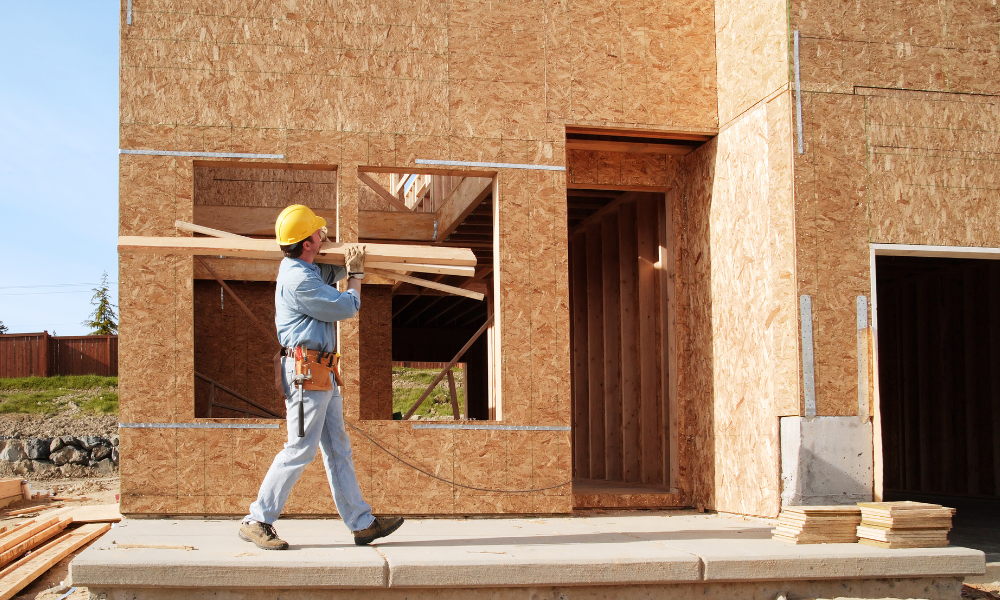
That distinction matters because the mix of new homes can change quickly. Builders may introduce smaller floor plans, develop on smaller lots, build in lower-cost areas or offer incentives to keep homes moving. At the same time, the existing-home median can rise when fewer lower-priced properties are available or when sales are concentrated in more expensive markets.
In other words, the national median can change even when the value of a particular home has not changed by the same amount.
NAHB notes that the traditional relationship between the two categories began to reverse in the second quarter of 2024. Existing-home medians have exceeded new-home medians in six of the nine quarters since then. Eye On Housing
The Midwest Tells a Different Story
For Michigan buyers and real estate professionals, the Midwest comparison is a much more useful checkpoint than the national headline.
During the second quarter of 2026, the median price of a newly built home in the Midwest was $397,200, according to Census and HUD data. NAR placed the Midwest’s existing single-family median at $340,800.
That means the regional new-home median was approximately $56,400 higher, not lower, than the existing-home median. Census.gov
The national result was driven largely by what happened in the South and West, where new-home medians were below existing-home medians. In the Midwest and Northeast, newly built homes still carried a higher regional median.
That is why I would never tell a buyer, “New homes are cheaper now,” based only on the national number.
A more accurate statement would be:
Nationally, the median price of newly built homes was lower than the median price of existing homes in the second quarter of 2026. Local pricing, home size, location, incentives and property features may produce a very different comparison.
Builders Can Adjust Their Offerings More Quickly
One reason the new-home median can move differently is that builders can change what they bring to the market.
Depending on buyer demand, builders may adjust floor plans, lot sizes, locations, upgrade packages and sales incentives. They can also use closing-cost assistance or temporary mortgage-rate buydowns instead of making a permanent reduction to a home’s base price.
In NAHB’s August 2026 builder survey, 63% of builders reported using sales incentives, while 35% reported cutting prices. Among builders that reduced prices, the average reduction was 6%. That does not mean every builder or community is offering the same deal, but it shows how actively builders are responding to affordability pressure. Eye On Housing
Construction has also gradually shifted away from some large metropolitan core areas and toward smaller or more outlying markets. Because land and development costs vary considerably by location, that shift can affect the national median even when construction costs remain elevated. Eye On Housing
Existing Homes Have Their Own Supply Story
The existing-home market works differently.
A homeowner does not operate like a builder with multiple similar properties to sell. Many owners are still weighing whether it makes sense to give up a lower mortgage rate, purchase another home and take on today’s financing costs.
When fewer owners decide to list, buyers may have fewer existing homes from which to choose. In some markets, that limited selection can help support existing-home prices even as affordability remains challenging. Eye On Housing
That does not mean every existing home will sell quickly or command a premium. Condition, presentation, location, price and local competition still matter. It simply means the resale market’s inventory dynamics are different from those of a new-home community.
Buyers Should Compare the Entire Package
A buyer deciding between new construction and an existing home should look beyond the advertised sales price.
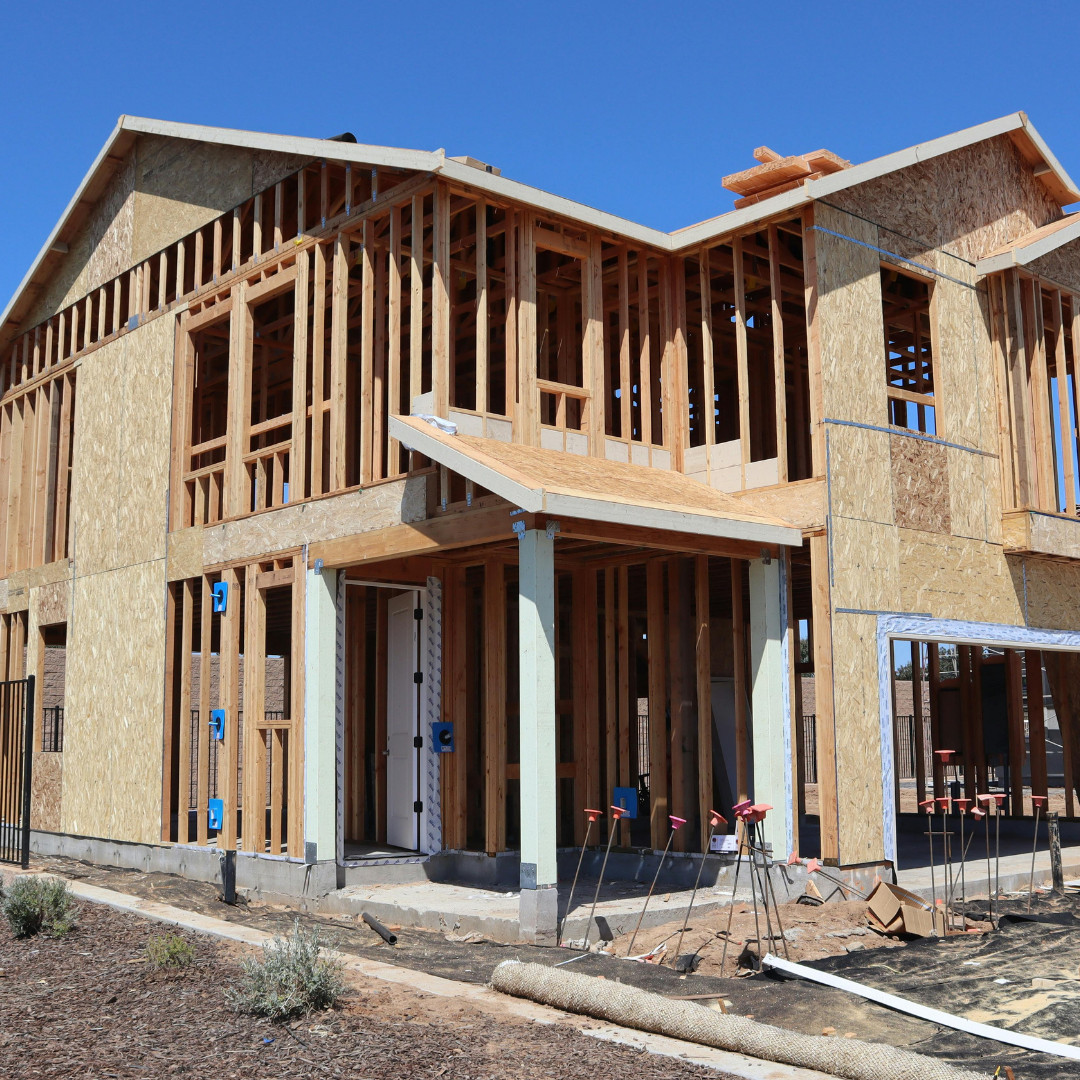
For new construction, the comparison should include the final price after any lot premium, structural options, design selections, appliances, landscaping, window treatments and other items that may not be included in the base price.
For an existing home, buyers should consider the likely cost of immediate repairs, renovations, major mechanical systems and ongoing maintenance. They should also account for any seller concessions or personal property included in the transaction.
For both options, buyers should compare:
Estimated cash needed at closing
Principal, interest, taxes and insurance
Homeowners association charges
Property-tax expectations
Maintenance and utility costs
Warranty coverage
Expected completion or possession date
The value and limitations of any incentive being offered
A builder incentive may create a better monthly payment for one buyer, while a lower existing-home purchase price may be the better long-term fit for another. The only way to know is to compare real properties using financing scenarios prepared for that particular buyer.
What This Means for Real Estate Professionals
The headline creates a good opportunity to educate clients, but it needs the right explanation.
Avoid using blanket statements such as:
New construction is now cheaper than existing homes.
Instead, explain that the national median for new homes was lower during a particular quarter, while regional and local results varied substantially.
When helping a buyer compare the two options, use homes that are reasonably similar in location, square footage, lot, features and condition. Then compare the net cost after incentives, concessions and expected improvements.
For sellers, this national statistic should not be used to determine a listing price. A local comparative market analysis based on relevant recent sales remains far more meaningful than a national median.
The Bottom Line
The narrowing—and recent reversal—of new- and existing-home medians is worth watching. It tells us builders are adapting, affordability pressure is influencing what gets built and the mix of homes being sold is changing.
But the national median does not tell a buyer which home is the better value.
I see it as a useful market signal, not a buying decision.
The best comparison will always come down to the specific homes available locally, the buyer’s financing, the total cost of ownership and what works best for that household’s goals.
*Recommended Public-Facing Disclaimer
This article is provided for general educational purposes only. National and regional median sales prices do not represent the value of any individual property and should not be treated as an appraisal, comparative market analysis, market forecast or guarantee of future results. Builder incentives, seller concessions and mortgage terms vary by builder, lender, borrower, property and date. Buyers should consult appropriately licensed real estate, mortgage, insurance, legal and tax professionals. Equal Housing Opportunity.
